


Solar Batteries for Homes: Unlocking Energy Independence Across Europe
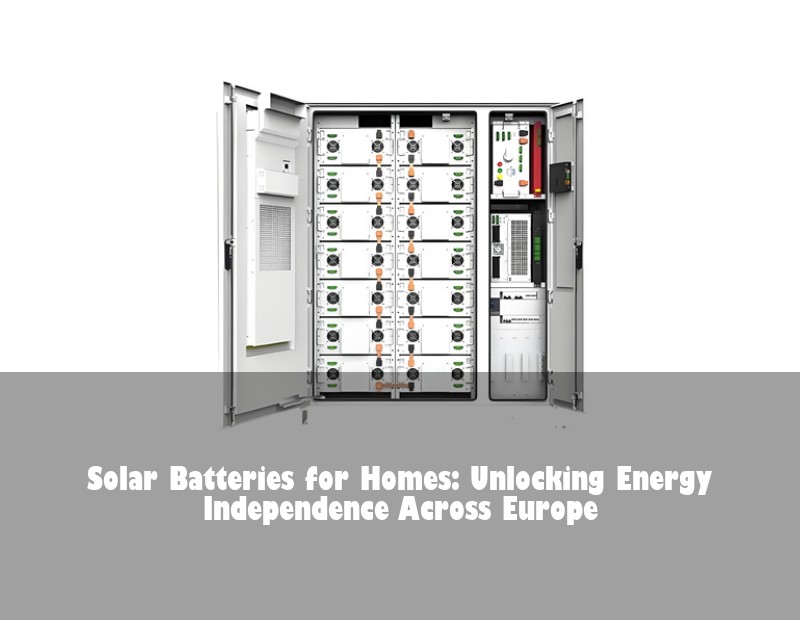
Table of Contents
- Europe's Silent Energy Crisis
- How Home Solar Batteries Actually Work
- Why European Households Are Embracing Solar Storage
- Real Results: A Hamburg Family's Energy Transformation
- Choosing Your Home Battery: Key Technical Considerations
- Where Home Energy Storage Is Heading Next
- Your Energy Independence Question
Europe's Silent Energy Crisis
It's a freezing January evening in Berlin. You're making dinner when the lights flicker - another grid instability warning. Your electricity bill arrived yesterday, 30% higher than last winter. Sound familiar? Across Europe, homeowners face a triple threat: soaring energy prices, unreliable grids, and climate commitments demanding action. In 2023 alone, EU households saw electricity costs spike by up to 54% in some markets. But what if your home could become its own power plant? That's where solar batteries for homes enter the story - not just as gadgets, but as energy revolutionaries.
How Home Solar Batteries Actually Work
Think of your solar battery system as a sophisticated energy savings account. Here's the daily cycle:
- Morning: Solar panels feed your coffee maker while charging batteries
- Afternoon: Excess energy stocks your "savings account" at 100% efficiency
- Evening peak: Batteries power your home, avoiding premium grid rates
- Grid failure: Automatic switchover keeps lights on within 20 milliseconds
Modern lithium-ion systems like Tesla Powerwall or Sonnen Eco boast 90%+ round-trip efficiency. Unlike early lead-acid batteries, they require zero maintenance and last through 6,000+ charge cycles - that's over 15 years of daily use!
Why European Households Are Embracing Solar Storage
Europe isn't just adopting solar batteries; it's leading a charge. Consider these 2023 trends:
- Germany installed 200,000+ home battery systems (up 45% YoY)
- UK battery grants increased 300% under ECO4 scheme
- Italian households achieve 80% self-consumption with solar + storage
Why this surge? Three drivers: financial pain (European electricity prices 2x US averages), policy push (EU's REPowerEU plan), and tech maturity. As Siemens Energy CEO Christian Bruch noted: "Home storage is now the logical endpoint of residential solar - it completes the ecosystem."
Real Results: A Hamburg Family's Energy Transformation
Meet the Hoffmanns: 4-person household in Northern Germany. In 2022, they installed a 10kWh solar battery paired with 8kW rooftop PV. The results?
- Energy independence: 92% self-sufficiency April-September
- Cost savings: €1,240 annual reduction despite 40% grid price hikes
- Backup security: Survived 3 grid outages without disruption
- ROI: 6.5-year payback period with KfW subsidy
"Our battery pays us back every sunset," says homeowner Anja Hoffmann. "When neighbors complain about bills, we're making tea with yesterday's sunshine."
Choosing Your Home Battery: Key Technical Considerations
Not all batteries are created equal. As a Solar Pro specialist, I advise focusing on three pillars:
Capacity & Power Rating
Match storage to your usage patterns. A UK home averaging 8kWh nightly needs different capacity than a Spanish villa with pool pumps. Pro tip: Size batteries at 1.5x your evening consumption.
Depth of Discharge (DoD)
Quality lithium batteries safely discharge to 90% DoD. Avoid systems below 80% - you're paying for storage you can't use.
Integration Intelligence
Look for systems like SolarEdge Energy Hub that learn consumption patterns and automatically optimize for weather/tariffs.
Where Home Energy Storage Is Heading Next
The next wave? Smart batteries becoming grid assets. In Finland, experimental virtual power plants aggregate home batteries to stabilize regional grids during peak demand. Meanwhile, bidirectional EV charging (like Ford Intelligent Backup Power) will let electric cars power homes during outages. As battery prices continue falling 8% annually (BloombergNEF data), we'll see storage become standard with new solar installations.
Your Energy Independence Question
Imagine it's December 2024. Your solar batteries just weathered another European energy price spike while keeping your home warm. What's the first thing you'd do with your energy freedom - invest in an EV, expand your system, or finally build that greenhouse? Share your vision with our community!
 Inquiry
 Online Chat